




Property first
Start with the layout, entrances and existing equipment.

Discover smart locks, guest access and connected entry options for your home.
Discuss your projectFrom family access to temporary guest codes, explore how a connected entrance could work for your household. Compatibility comes before convenience.
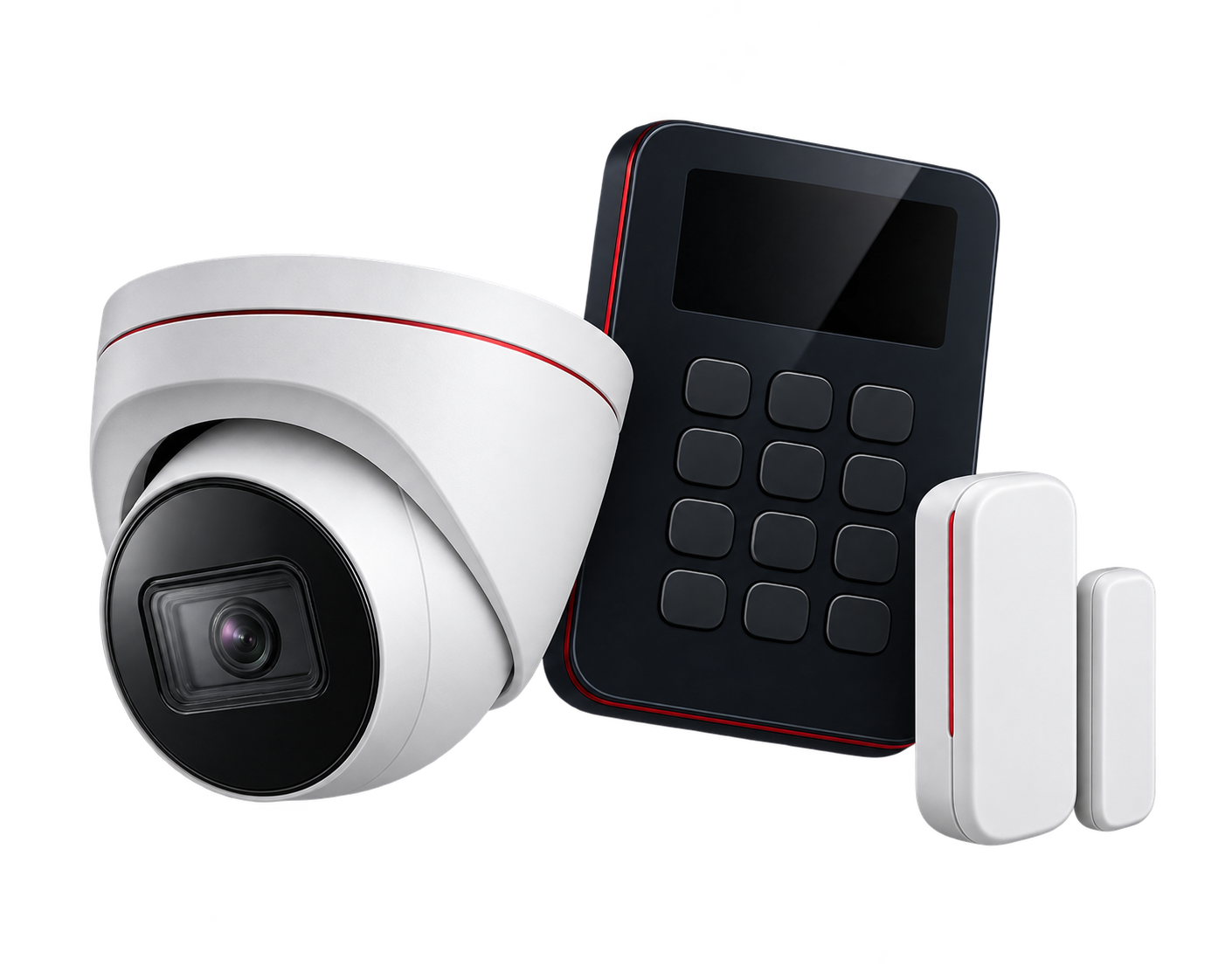
Start with the layout, entrances and existing equipment.
Compare useful capabilities and everyday requirements.
Review a provider’s proposal before choosing to proceed.
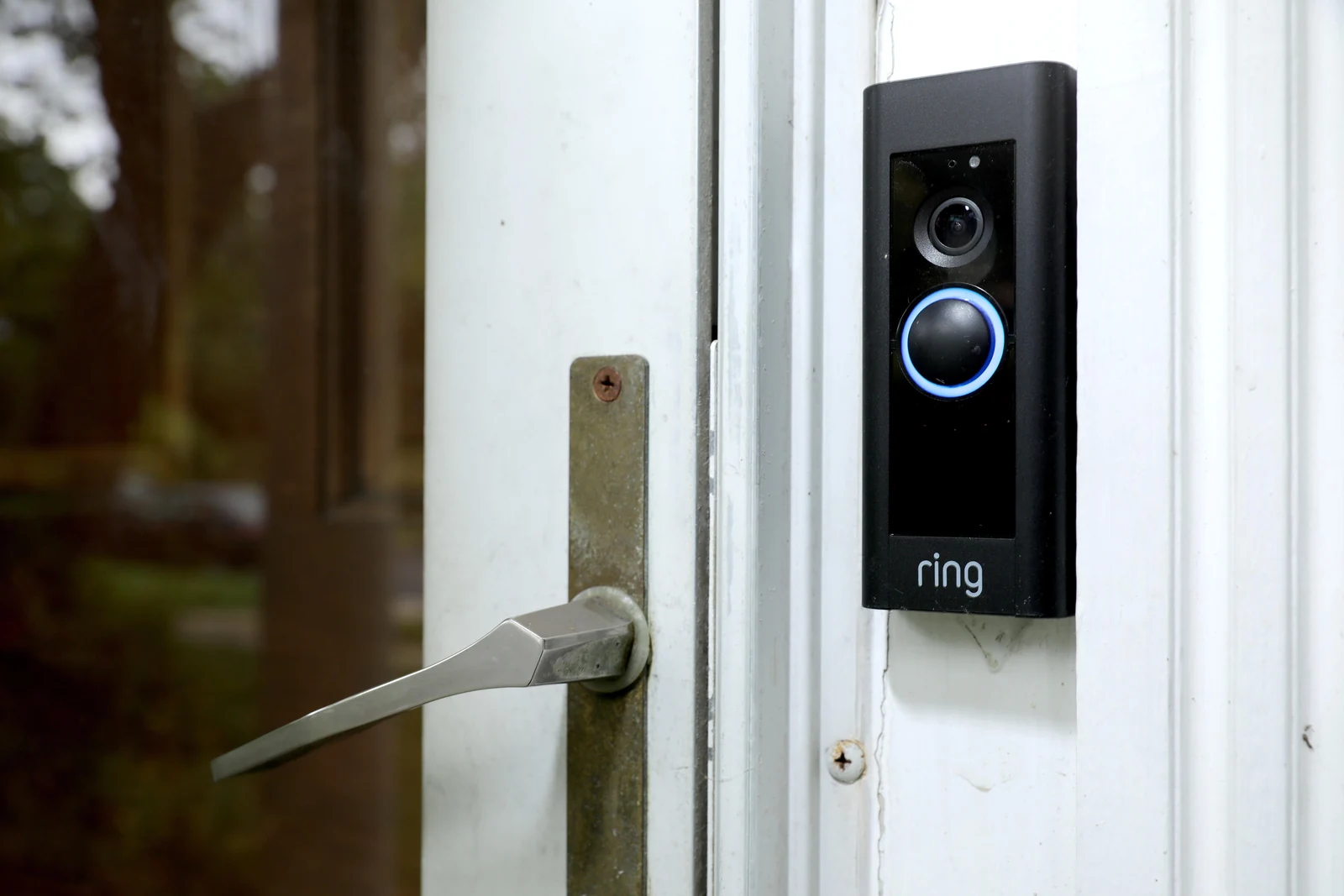
Review lock compatibility, door alignment and a backup entry method before choosing connected access.
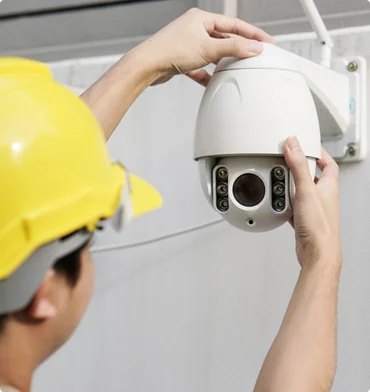

Explore time-limited access for visitors without sharing a permanent credential.
Add to your brief
Consider visitor communication alongside your existing entrance hardware.
Add to your brief
Choose permissions that make sense for each person who uses the door.
Add to your brief

Ask a specialist to check fitting, weather exposure and mechanical alignment.
Add to your briefA good fit starts with the mechanism already in place.
Connected access should complement a door that closes and locks smoothly. Discuss the material, dimensions and current hardware before choosing a model.
Share the type of home, relevant entrances and anything already installed.
Mention who uses the space, when you are away and the access you need.
Check the scope, ongoing costs, support arrangements and cancellation terms.
Explore how each household member would enter and manage their own access.
Have the existing door and locking mechanism checked before buying.
Discuss individual access and a simple way to remove old permissions.
Confirm how to enter if a battery, device or connection is unavailable.
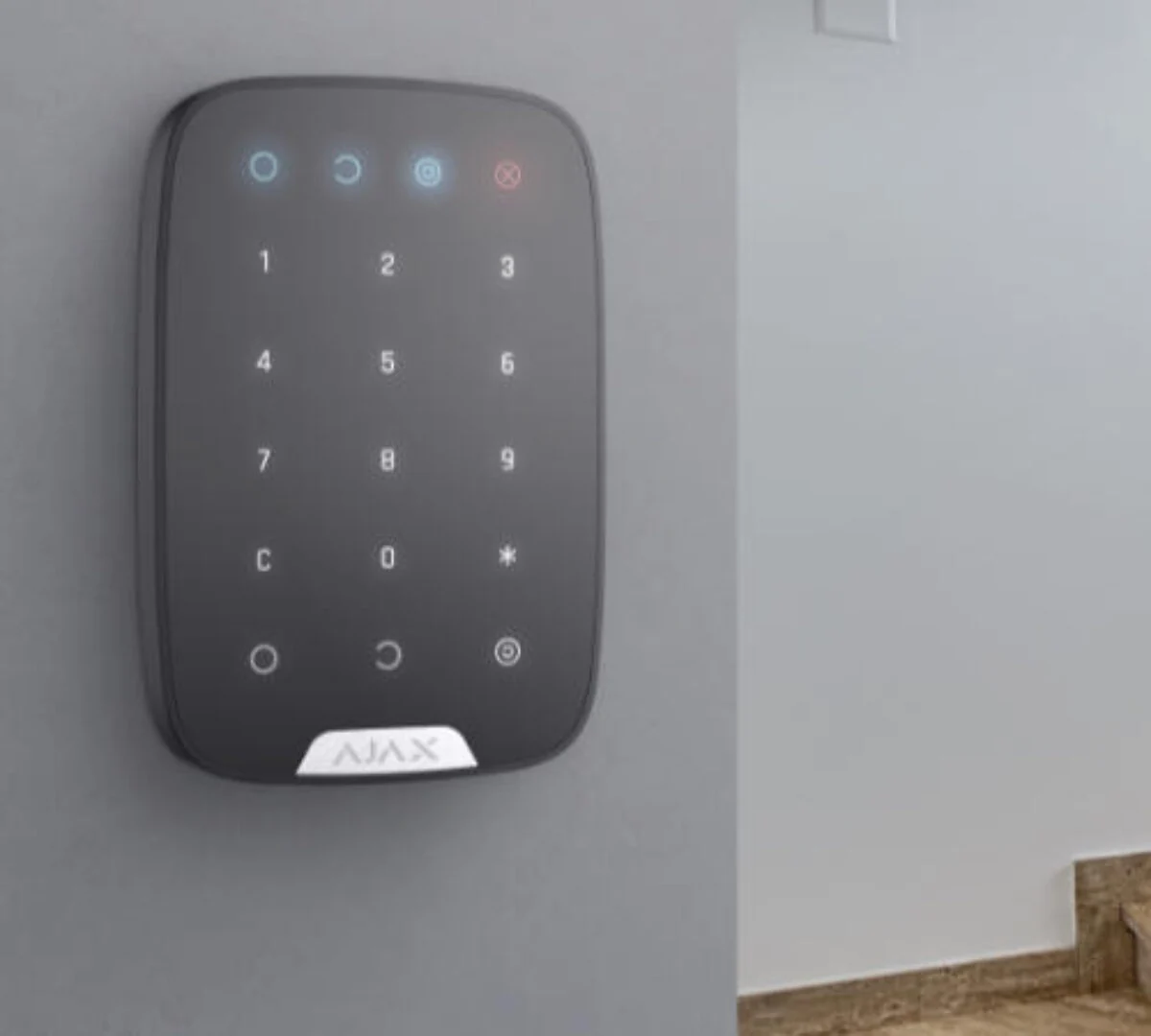
Temporary access can be convenient when the controls are clear.
Ask whether codes can start and expire on a schedule.
Check how a guest credential can be revoked immediately.
Understand what access history is recorded and who can see it.
A secondary door may need a different approach from the main entrance.
Review weather, daily wear and suitable hardware.
Check smooth mechanical operation and alignment.
Keep an agreed alternative route available when needed.
Select a method to explore its everyday considerations.
Selected: Physical key — Check whether the chosen lock retains a mechanical backup.

Explore the essentialsUnderstand smart access before choosing equipment.
Ask your providerConfirm compatibility, costs and ongoing support.
Compatibility depends on the existing lock, door dimensions and hardware. A provider should check the door before recommending equipment.
Fallback options vary. Ask about low-battery warnings, physical keys and emergency power before selecting a device.
Many models support scheduled or temporary codes. Confirm the available controls and whether they depend on a subscription.
Some smart locks retain a key cylinder; others use different fallback methods. Make this preference clear in your brief.

Share what you want from smart access and where you would like to start.